Our Beliefs
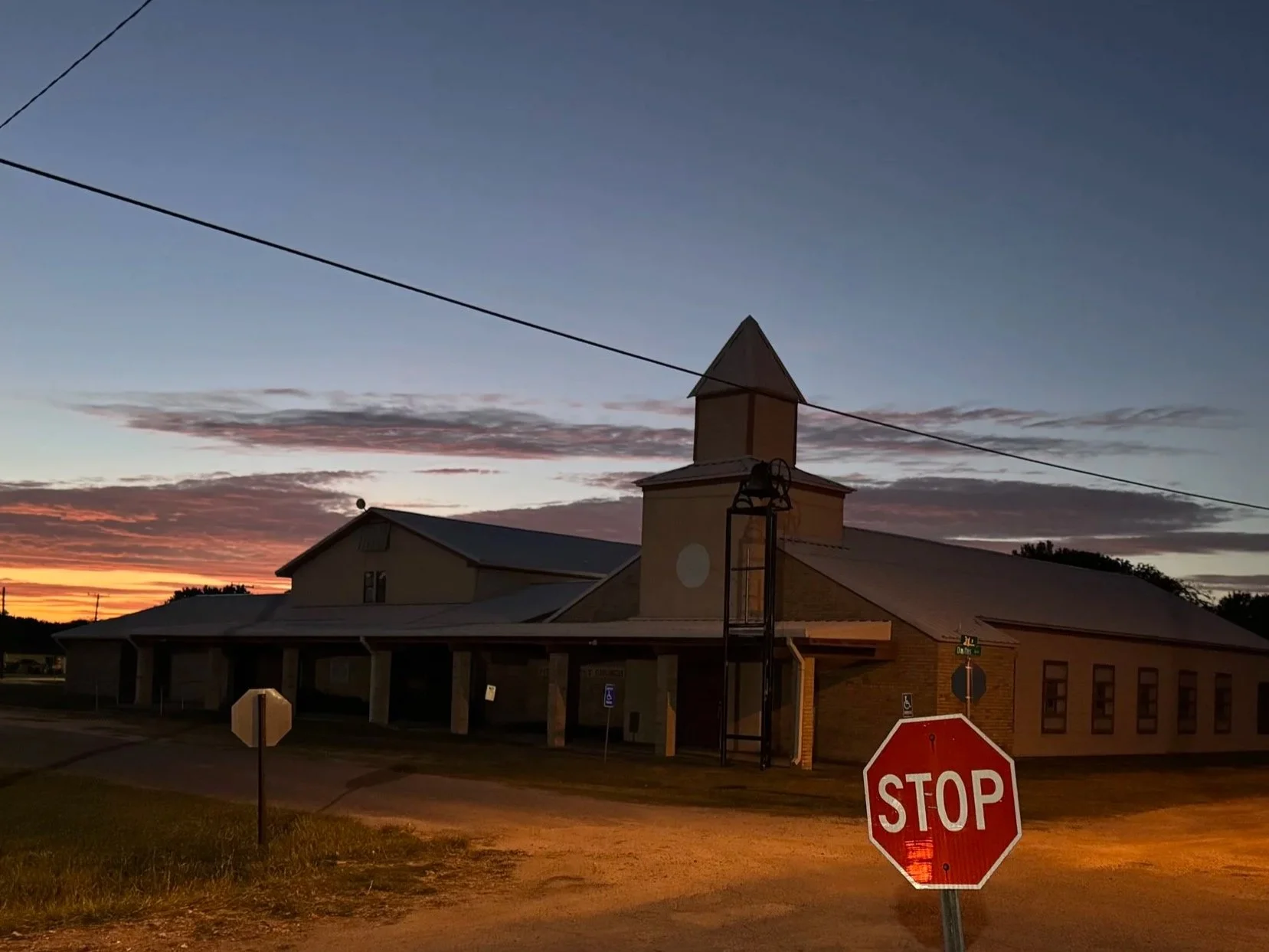
First Baptist Church Seadrift
Statement of Faith
I. The Scripture
We believe that all Scripture, from the Old and New Testaments are “God-breathed.” The Scriptures were written by men who were divinely inspired by God. We believe that the Scriptures are God’s revelation of Himself, to man, and point to the Lord Jesus Christ as the only way of Salvation. We believe that the Scriptures are the inerrant word of God and without mistakes in the original languages. The Scriptures are the only infallible guide for our daily thought-life, as well as our practical, moral, and spiritual instruction.
[Mark 12:26, 36; 13:11; Luke 24:27, 44; John 5:39; Acts 1:16; 17:2-3; 18:28; 26:22-23; 28:23; Romans 15:4; 1 Corinthians 2:13; 10:11; 2 Timothy 3:16; 2 Peter 1:21]
II. Interpretation of the Scripture
The way in which we interpret the Scriptures can drastically affect how we formulate our Biblical conclusions and is how our doctrine is arrived at. Therefore, it is extremely important to exercise a consistent Hermeneutic when approaching the Scriptures. This approach becomes an essential doctrinal issue that must be addressed.
Hermeneutics is the discipline of interpretation. There are indications in both the Old and New Testaments as to the normative method of interpretation. Conservative, normal, and literal hermeneutics takes a very tried and true approach to understanding the Bible that should include close observation of its grammatical and historical components. It would argue one sense or meaning for each passage of Scripture, leaving no room for a complementary or theological approach. By taking the Word of God literally, and at face value, in classical hermeneutics there is room for poetry, figures of speech, illustrations, types, and symbols, but these literary genres do not take away from the foundational or normal interpretative understanding of Biblical truth. Normal interpretation also argues for progressive revelation, i.e., that the Holy Spirit over a period of time revealed certain truths in a progressive fashion. For example, the revelation of Jesus Christ starts in Genesis, but is not fully complete until the book of Revelation.
The literal interpretation stands in opposition to an allegorical interpretation. Although there are cases in the Scripture such as when the Apostle Paul in Galatians creates an allegory in order to make an isolated point or illustration (4:21-26). Using an allegorical method of interpretation creates an inconsistent and unacceptable philosophical approach to understanding the Word of God. It is clearly contrary to proper Biblical interpretation.
[Luke 1:1-4; 24:35; 44-46, 48; John 21:20-23; Acts 10:8; 17:11-12; 26:6-7; 26-27]
III. The God-Head
We believe that the Godhead has eternally existed in three distinct persons—the Father, the Son, and the Holy Spirit. These three are one God, having the precise same nature, attributes, and perfections and worthy of precisely the same honor, confidence, and obedience.
[Matthew 28:18-19; Mark 12:29; John 1:14; Acts 5:3-4; 2 Corinthians 13:14; Hebrews 1:1-3; Revelation 1:4-6]
IV. God the Father
We believe that God the Father reigns sovereignly over His universe, His creatures, and the flow of human history according to the purposes of His grace. He is all powerful, all knowing, and all wise. God is Father in truth to those who become children of God through faith in Jesus Christ. He is fatherly in His attitude towards all mankind, chastening those whom He loves, and hardening the hearts of those who have rejected His authority.
[Genesis 1:1, 2:7; Exodus 3:14, 6:2-3, 7:3, 4, 15:1, 20:1; Leviticus 22:2; Deuteronomy 6:4, 32:6; 1 Chronicles 29:10; Psalm 19:1-3; Isaiah 43:3,15; 64:8; Jeremiah 10:10, 17:13; Matthew 6:9, 7:11, 23:9, 28:19; Mark 1:9-11; John 4:24, 5:26, 14:6-13, 17:1-8; Acts 1:7; Romans 8:14-15; 1 Corinthians 8:6; Galatians 4:6; Ephesians 4:6; Colossians 1:15; 1 Timothy 1:17; Hebrews 11:6, 12:6, 7; 1 Peter 1:17; 1 John 5:7.]
V. God the Son
We believe that Jesus Christ is the eternal Son of God. In His incarnation as Jesus Christ, He was conceived of the Holy Spirit and born of the virgin Mary. Jesus perfectly revealed and preformed the will of God, taking upon Himself human nature with its demands and necessities, and identifying Himself completely with mankind yet without sin. He honored and fulfilled the divine law by His personal obedience, and in His substitutionary death on the cross, He made provision for the redemption of men from sin. He was raised from the dead on the third day within His glorified body. He appeared to His disciples as the person who was with them before His crucifixion. He has since ascended into heaven and is now exalted at the right hand of the Father where He sits as our One Mediator between God and man. He is fully God and fully man, in whose Person is achieved the reconciliation between God and man. One day He will return for His church at the rapture; then in power and glory, He will judge the world and bring in the promised kingdom to the nation of Israel. Until that day comes, we diligently watch, wait, and remain ready for His return. He has sent His Holy Spirit who now dwells in all believers as our comforter even to the end of the age.
[Genesis 18:1; Psalms 2:7, 10:1; Isaiah 7:14, 53; Matthew 1:18-23, 3:17, 8:29, 11:27, 14:33, 16:16, 27, 17:5, 27, 28:1-6; Mark 1:1-13, 3:11; Luke 1:35, 4:41, 22:70, 24:46; John 1:1-18, 29, 10:30, 38, 11:25-27, 12:44-50, 14:7-11, 16:15-16, 28, 17:1-5, 21, 22, 20:1-20, 28; Acts 1:9, 2:22-24, 7:55-56, 9:4-5, 20; Romans 1:3-4. 3:23-26, 5:6-21, 8:1-3, 34, 10:4; 1 Corinthians 1:30, 2:2, 8:6, 15:1-8, 24-28; 2 Corinthians 5:19-21, 8:9; Galatians 4:4-5; Ephesians 1:20, 3:11, 4:7-10; Philippians 2:5-11; Colossians 1:13-22, 2:9; 1 Thessalonians 4:14-18; 1 Timothy 2:5-6, 3:16; Titus 2:13-14; Hebrews 1:1-3, 4:14-15, 7:14-28, 9:12-15, 24-28, 12:2, 13:8; 1 Peter 2:21-25, 3:22; 1 John 1:7-9, 3:2, 4:14-15, 5:9; 2 John 7-9; Revelation 1:13-16, 5:9-14, 12:10-11, 13:8, 19:16.]
VI. God the Holy Spirit
We believe that the Holy Spirit, the Third Person of the Trinity, though omnipresent from all eternity, took up His abode in the world in a special sense on the day of Pentecost according to the divine promise. By His baptism, He unites all to Christ in one body and indwells every believer. As the indwelling One, He is the Source of all power, all acceptable worship and service, and all spiritual gifts. However, we believe that the spiritual gifts, such as tongues, prophecy, and knowledge, as well as the role of apostleship along with signs, wonders, and miracles which were prevalent in the establishment of the Church, have ceased.
[John 14:16-17; 16:7-15; 1 Corinthians 6:19; 12:1-14: 31; Ephesians 2:22; 2 Thessalonians 2:7]
VII. The Sovereignty of God
God is absolutely sovereign over all creation and history, He has a “determined plan for the whole world” and no one can alter His purposes (Isaiah 14:26- 27). What He has planned, that He will accomplish (Isaiah 46:11). He “works out everything in conformity with the purpose of His will” (Ephesians 1:11); “Surely as I have planned, so it will be, and as I have purposed, so it will stand” (Isaiah 14:24). His sovereignty extends to the providence of God whereby He sustains all creatures, giving them life and removing life as He pleases (Deuteronomy 32:39). In His sovereignty, all things were created for the glory of God and all things exist for Him (Revelation 4:11). The sovereignty of God also extends to the doctrine of divine election whereby those chosen by the council of the Lord’s own will, shall come to Him in faith. Yet, even though difficult to reconcile in our own human understanding, the sovereignty of God does not remove the responsibility of mankind to respond in favor of God. He is not the author of sin, though failure to accomplish anything less than what He has perfectly decreed is sin. In some mysterious way, His decrees include all that takes place in the universe.
[John 6:37, 39, 44; Ephesians 1:3-18; II Thessalonians 2:13; Habakkuk 1:6, 11; Acts 2:22-23, 36]
VIII. The Grace of God
We believe that according to the “eternal purpose” of God (Ephesians 3:11) salvation through God’s divine providence has always been “by grace through faith.” This grace rests upon the foundation of the shed blood of Christ and His atoning work on the cross. We believe that God has always shown His graciousness throughout the ages of man. Mankind in their rebellion against God, have not always been under an administration or stewardship of grace as is true in this present Church age.
[1 Corinthians 9:17; Ephesians 3:2; 3:9; Colossians 1:25; 1 Timothy 1:4]
IX. The Incarnation of Jesus Christ
We believe that God has provided, purposed, and foretold in the Scriptures; specific prophecies concerning how the eternal Son of God would come into this world. Christ’s purpose in coming to this earth, as the incarnate God-man, would be to reconcile men to God and become the kinsman redeemer of a lost and dying world. To this end, He was born of the virgin, received a human body, and a sinless human nature. We believe that in fulfillment of prophecy, He came first to Israel as her Messiah- King. Jesus Christ was rejected as Messiah by the nation of Israel as a whole. He gave His life as a ransom for all, according to the eternal counsels of God. We believe that, according to the Scriptures, Jesus has risen from the dead in the same body in which He had lived and died, though now glorified. His resurrection body is the predestined image of that which will ultimately be given to all believers, both living at the time of His coming and those whom have fallen asleep, in Christ.
[Luke 1:30-35; John 1:11, 18, 3:16, 20:20; Acts 2:22-24; Philippians 3:20-21; 1 Thessalonians 4:13-18; Hebrews 4:15; 1 Timothy 2:6]
X. Salvation through Jesus Christ Alone
We believe that, due to Adam’s sin all mankind has suffered a spiritual death through sin. No one can come to God on their own, nor enter the kingdom of God, unless they are born again. No degree of reformation (however great), nor achievement in morality (however high), nor culture (however attractive), nor baptism or other ordinance (however administered), can help the sinner take even one step toward God. Placing one’s faith in Jesus Christ is the only way anyone can be saved from their sin and receive eternal life. A new nature can be imparted through faith in Christ; a new life can be implanted by the Holy Spirit through the Word of God. God’s initiating work in a sinner’s life is an absolute necessity to salvation, and only those whom God has drawn to Himself are consequently saved and become children of God.
[John 1:12; 3:16, 6:44; Acts 4:12; Romans 1:16-17; 3:22, 5:12-21; Galatians 3:22]
XI. The extent of Salvation
We hold that Christ’s atonement was unlimited as to its provision for fallen humanity, but limited as to its application to the elect/chosen of God.
[2 Peter 3:9; 1 John. 2:2; 1 Timothy 4:10]
XII. The Believer’s completeness in Christ
We believe that a saved person will grow in their understanding of the blessings they have in Christ. In their personal sanctification process, the believer will obtain a fuller measure of divine control through the yielding of their life to God, under the influence of the Holy Spirit. The moment a person is saved, they possess every spiritual blessing and are absolutely complete in Christ (positionally speaking). For this reason, a saved person is in no way required by God to seek a so-called “second blessing,” “second work of grace,” or a “second baptism.”
[1 Corinthains 3:21-23; Ephesians 1:3; Colossians 2:10; 1 John 4:17; 5:11-12]
XIII. The Eternal Security of the Believer
We believe God eternally keeps all those He has elected and called to salvation and none are lost. God has solely undertaken the task to save them and keep them forever, apart from all human merit. God will chasten and correct those who are His own, in love. God cannot fail and will in the end present His own, faultless in Christ. We believe that saints can have the assurance that they are saved children of God. This assurance gives confidence and peace, helping the believer grow in spiritual maturity.
[John 5:24; 10:28; 13:1; Romans 8:29; Ephesians 1:3-17; 1 John 5:13]
XIV. The Blessed Hope
We believe that the next great event in the fulfillment of prophecy will be the rapture of the Church. In this event, the Lord will descend in the clouds and with a loud shout and the sound of the trumpet, He will receive to Himself those who are His own and take them to heaven. This will include those who are alive and remain unto His coming, and all who have fallen asleep in Jesus. This event is the blessed hope set before us in the Scripture, and for this event we should be constantly anticipating and preparing our lives for the coming of our Lord.
[John 14:1-3; 1 Corinthians 15:51-52; 1 Thessalonians 4:13-18; Titus 2:11-14]
XV. Man - Created and Fallen
We believe that mankind was originally created male and female, in the image and after the likeness of God, as God’s representative ‘vice-regent’. Through Adam’s sin, all mankind fell, and in consequence instantaneously died spiritually and would eventually die a physical death also. Since mankind is fallen, we are all “dead in trespasses and sins” and have become subject to the reign of sin in our lives and the influence of the devil. The Scripture teaches that the lost are mentally blinded by Satan, the god of this world, and that the truth of the gospel is veiled from those who are destroying themselves (2 Corinthians 4:3-4). The Word of God makes it clear there is no one who seeks after God (Romans 3:11). Since mankind has continued in their rebellion against God, He has given mankind over to the lusts of their heart and to a depraved mind (Romans 1:24, 28). Theologically speaking, this darkness of mind and heart has been rightly called Total Depravity (Romans 1:28).
Following the sin of Adam, man could only produce descendants who would be sinners. Therefore, all mankind is under the death sentence and penalty of sin (Romans 5:12-18) and thus are all condemned. Only through the reconciliation of Christ, by His death, are human beings who are enemies of God being saved (Romans 5:10). Sinners are justified by faith in the shed blood of Jesus Christ, and are rescued from the wrath of God.
[Genesis 1:26; 2:17; 6:5; Psalms 14:1-3; 51:5; Jeremiah 17:9; Ephesians 2:1-6]
XVI. Angels- Fallen and Unfallen
We believe that God created an innumerable company of sinless, spiritual beings, known as angels. There are those angels who have chosen to continue to follow and serve God, such as Michael the archangel and Gabriel a messenger. However, the Scripture indicates that “the anointed cherub” – the highest in rank – sinned through pride, thereby becoming Satan. In his pride and rebellion, he led a great company of the angels to follow him in his moral fall and become enemies of God. Some of these fallen angels are his active agents and associates in the implementation of his unholy purposes on this earth, even to this very day. There were other angels who fell with Satan, who sinned so horribly they were punished immediately “reserved in everlasting chains under darkness until the judgment of the great day.”
[Isaiah 14:12-17; Ezekiel 28:11-19; Daniel 8:6, 9:21, 10:13, 21, 12:1; Matthew 1:20; Luke 1:19, 26-38; 1 Timothy 3:6; 2 Peter 2:4; Jude 6; Revelation 12:7-9]
XVII. The Great Commission
It is a clear command of our Lord Jesus Christ to make disciples of all nations in accordance with the Word of God. This Great Commission is accomplished both by faithful believers who evangelize non-believers, by sharing God’s word with them, and also through the faithful instruction of believers, who unashamedly teach the Word of God for the edification and the building up of the body of Christ.
[Matthew 28:18-19; John 17:18; Acts 1:8; 1 Peter 1:17; 2:11]
XVIII. The Apostasy of the Church
The Apostle Paul warns of a “falling away” from the faith (2 Timothy 4:1) which will lead to a following of deceitful spirits and the doctrine of demons (1 Timothy 4:2). Paul states that this apostasy will occur in the “later times” and will produce hypocrisy along with the conscience of mankind being seared. We believe that this apostasy will be religious and moral in its scope (2 Timothy 3:1-7), and will occur prior to the rapture of the Church, yet before the revealing of the man of sin, the Antichrist (2 Thessalonians 2:1-5). Paul further teaches that the seeds of apostasy were present in the Church of his day, and will reach their maturity in the church of the last days, which he describes as “difficult times” (2 Timothy 3:1).
XIX. The Church and Israel
We believe that the Church and Israel are two distinct entities, with different destinies and purposes within the plans of God. The Scripture teaches that the church is an entirely new creation which came into being on the day of Pentecost, and will continue to exist until it is removed from the earth and taken into heaven at the rapture. There is no indication in the Scripture where the church receives the curses and blessing of Israel. These include the covenants, promises, and warnings of the Mosaic Covenant, which are only valid for the nation of Israel, as the church did not exist at the time in which they were given. The church has not replaced Israel in God’s plan. Therefore, we reject the doctrine known as “replacement theology” (also known as supersessionism and fulfillment theology).
[Daniel 9:24-27; Romans 11; Ephesians 1:9-11; 1 Thessalonians 4:13-18; Revelation 20:1-5]
XX. The Tribulation
We believe that the rapture of the church will be followed by the fulfillment of Israel’s seventieth week (a seven-year period), during which the church, the body of Christ, will be taken into heaven (Daniel 9:27; Revelation 6:1 -19:21). This seven-year period (the Tribulation) will be a time of judgment, not only for the nation of Israel, but a judgement that will come upon the whole earth. The latter half of this (3 ½ year) period is referred to in the Scripture as the time of Jacob’s trouble (Jeremiah 30:7), and the time which Jesus Himself referred to as “Great Tribulation” (Matthew 24:15- 21). The culmination of Israel’s seventieth week will fulfill what the Bible refers to as “the times of the Gentiles.” We believe that universal righteousness will not be realized before the second coming of Christ. As we continue to wait for the Lord’s return, the world continues to ripen for the judgment of God that will end this current age.
XXI. The Second Coming of Christ
We believe that Christ will return to this earth, after the great tribulation, where His feet will touch the Mount of Olives and split it wide open. The Lord will save the nation of Israel from all her enemies, and establish the Kingdom that God had promised to them. This is known as the millennial age, where Satan will be bound for one thousand years. Israel will be restored to her own land, and the Abrahamic Covenant will be fulfilled in its three divisions – Land (Palestinian Covenant), Seed (Davidic Covenant), and Blessing (New Covenant- finally brought to complete fruition). The world that survives the Great Tribulation will be brought to a complete knowledge of the Messiah.
[Deuteronomy 30:1-10; Isaiah 11:9; Ezekiel 37:21; Jeremiah 31:31- on; Matthew 24:15 – 25:46; Acts 15:16-17; Romans 8:19-23; 11:25-27; Revelation 20:1-3]
XXII. The Eternal State
We believe that at death, the souls of those who have trusted in the Lord Jesus Christ for salvation immediately pass into His presence. There they will remain in conscious bliss until the resurrection, where believers will receive a glorified body when Christ comes for His own, whereupon soul and body shall be reunited and forever remain with the Lord in glory. However, the souls of the unbelieving remain tormented after death, completely conscious of their own condemnation and in hopeless misery until the final judgment. This final judgement is known as the Great White Throne Judgement, which will take place at the close of Christ’s millennial reign on the earth. Here the unbelievers will also receive a resurrected body which shall be cast into the Lake of Fire (not annihilated), to be punished with everlasting destruction, permanently removed from the presence and goodness of the Lord.
[Luke 16:19-26; 23:42; 2 Corinthians 5:8; Philippians 1:23; 2 Thessalonians 1:7-9; Judges 6 – 7; Revelation 20:11- 15]
XXIII. Women and the Ministry
We believe that in the body of Christ, men and women stand spiritually equal, and constitute the Church universal. We believe women have had, and always will have their own God-given specific roles and gifts within this body of Christ. Accordingly, as the primary role of believing men is to be husbands and fathers, so the primary role of women is to be wives and mothers. We encourage women to have personal ministries, but the Scriptures are clear that male leadership is called to the local church positions of deacon, elder, and pastor-teacher. No amount of debate can supersede what the Bible says about the individual and distinct callings of both sexes, regarding their gifts and positions within the Church. We encourage women to serve within the church in the positions that God has given to them. However, the roles of deacon, elder, and pastor-teacher are Biblically reserved for men only.
[1 Timothy 2:9-15; 3:1-13; Titus 1:5-9; 2:1-8; I Corinthians 14:34-35]
XXIV. Other Current Issues
We believe that corruptive influences have always been working against the Church, the body of Christ. Along with immoral forces, we reject the man-created philosophies of secular humanism, materialism, evolution, feminism, and the influences of secular psychology. While some truths may be imprinted into these and other opinions, basically, they run counter to the revealed truths of Scripture, and therefore must be rejected.
Regarding marriage, the Bible teaches that man needed a helpmate, so God fashioned a woman suitable for him, and they were joined together by God in the first marriage. This is the first and most fundamental institution for all people. Thus, God determines at conception whether one is to be a male or female; nothing a person does alters what God has already predetermined. We believe that only a born male and a born female, formed as God has determined them to be, are the only arrangement suitable and acceptable for marriage.
[Genesis 1:26-27; 2:20-24; Psalm 139:13; Matthew 19:3-6; Romans 1:18-32; 1 Corinthians 6:9; 1 Timothy 1:8-11]